Coke Fines Granulation Binders — Turning Fine Waste Into a Usable Product
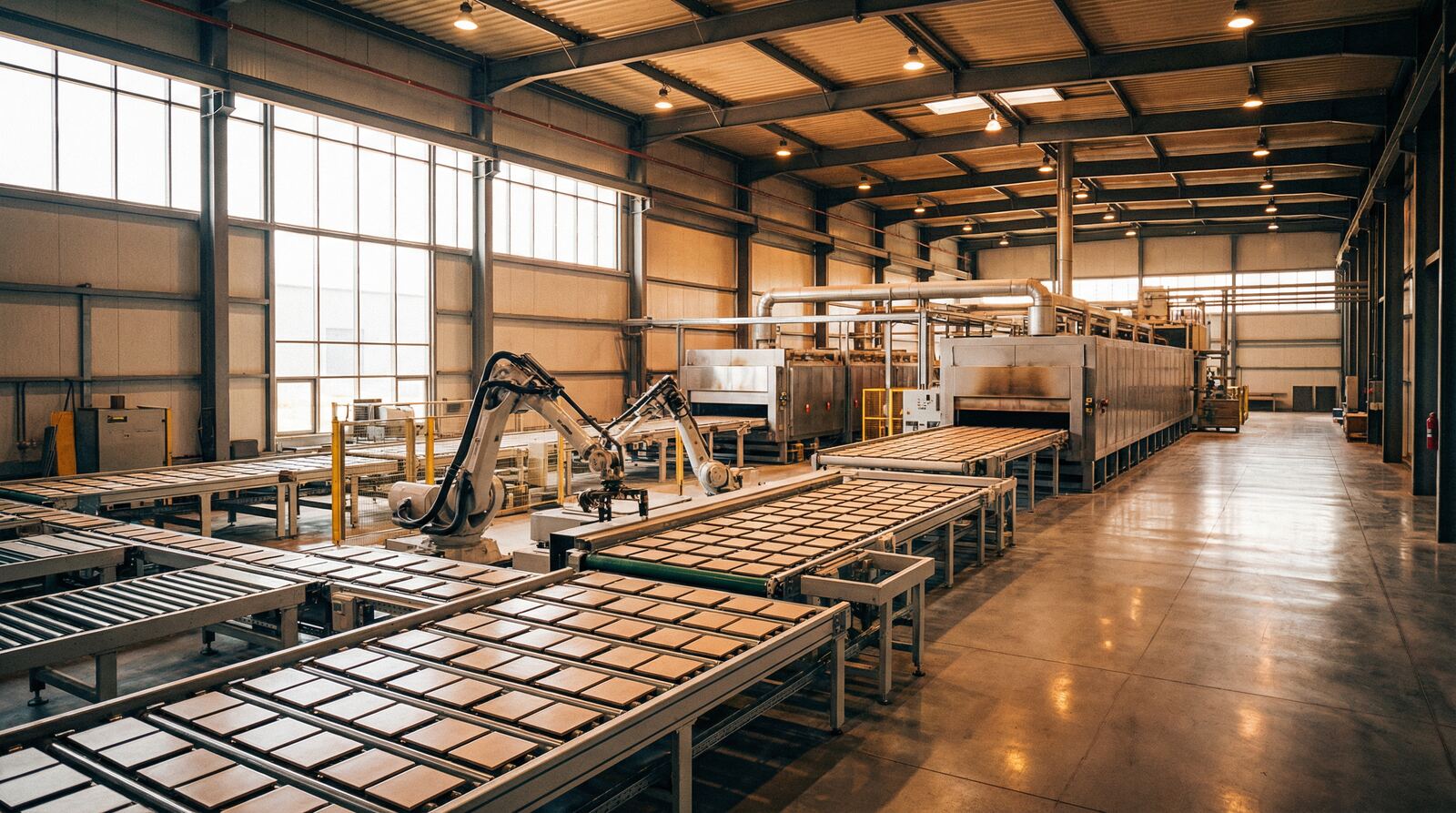
A technical guide to binders for coke fines granulation.
The Coke Fines Problem
Coke inevitably degrades during production, handling, screening and storage, and part of it becomes fine material. Those fines carry the same calorific value and the same purity as the lump coke, but they cannot be used in most consuming applications: in a blast furnace or shaft kiln, a bed of fines destroys gas permeability. The result is that a fully valuable material is sold at a much lower price, or not sold at all. Beyond the economic loss, accumulated fines create dust, safety and environmental issues.
What Granulation Solves
Granulation or briquetting converts fine particles into bodies of controlled size and shape that can behave like lump coke. For that conversion to be worth doing, the granule has to pass several practical tests: surviving loading and discharge without degrading again, surviving outdoor storage and moisture, withstanding the load of the material column in the furnace, and above all entering the process without adding anything that creates a problem for the end user. The binder is what makes those properties possible.
What a Coke Granulation Binder Must Deliver
The requirements here differ fundamentally from those of ceramic binders. Enough green strength for handling immediately after production is necessary, but strength after drying and stability against moisture matter more, because granules are typically stored outdoors. Thermal behaviour is also decisive: the binder must not decompose at the application temperature in a way that causes the granule to collapse before it has done its job. And it must not add ash, sulphur or other unwanted elements in quantities that push the product outside the specification the customer requires. That last condition is often the deciding one, and should be checked before any strength testing.
The Economic Case Before the Technical One
Unlike most additives, in this application the economic case usually becomes clear before the technical one and decides the outcome. The figures required are simple: the quantity of fines generated per month, the price difference between fines and lump product, and the all in cost of granulation including equipment, energy, labour and binder. If that equation does not close at the plant current scale, no binder will rescue it. If it does close, the technical question becomes meaningful and it is worth discussing the granule specification the end customer requires.
Status of This Product at Kimia Ceram Zarin
Kimia Ceram Zarin is developing a granulation binder for coke fines. The product is at the development and evaluation stage and has no published datasheet; until its data is documented, no performance figures are stated. Operations facing an accumulation of coke fines that want to examine the feasibility of granulation are welcome to contact us for a technical discussion.
Frequently Asked Questions
Why can coke fines not be used directly?
The calorific value of fines is no different from lump coke, but a bed of fines destroys gas permeability in the furnace. That is why fines alone cannot be used in most applications.
What is the most important property of a coke granulation binder?
Stability of the granule against moisture and handling, and that the binder does not push ash or sulphur outside the customer specification. That second condition should usually be checked before any strength testing.
Where should we start?
With the economics: monthly fines generated, the price difference against lump product, and the all in cost of granulation. If that equation closes, the technical discussion about granule specification becomes meaningful.