Glass Mold Lubricants — Selection and Application Guide
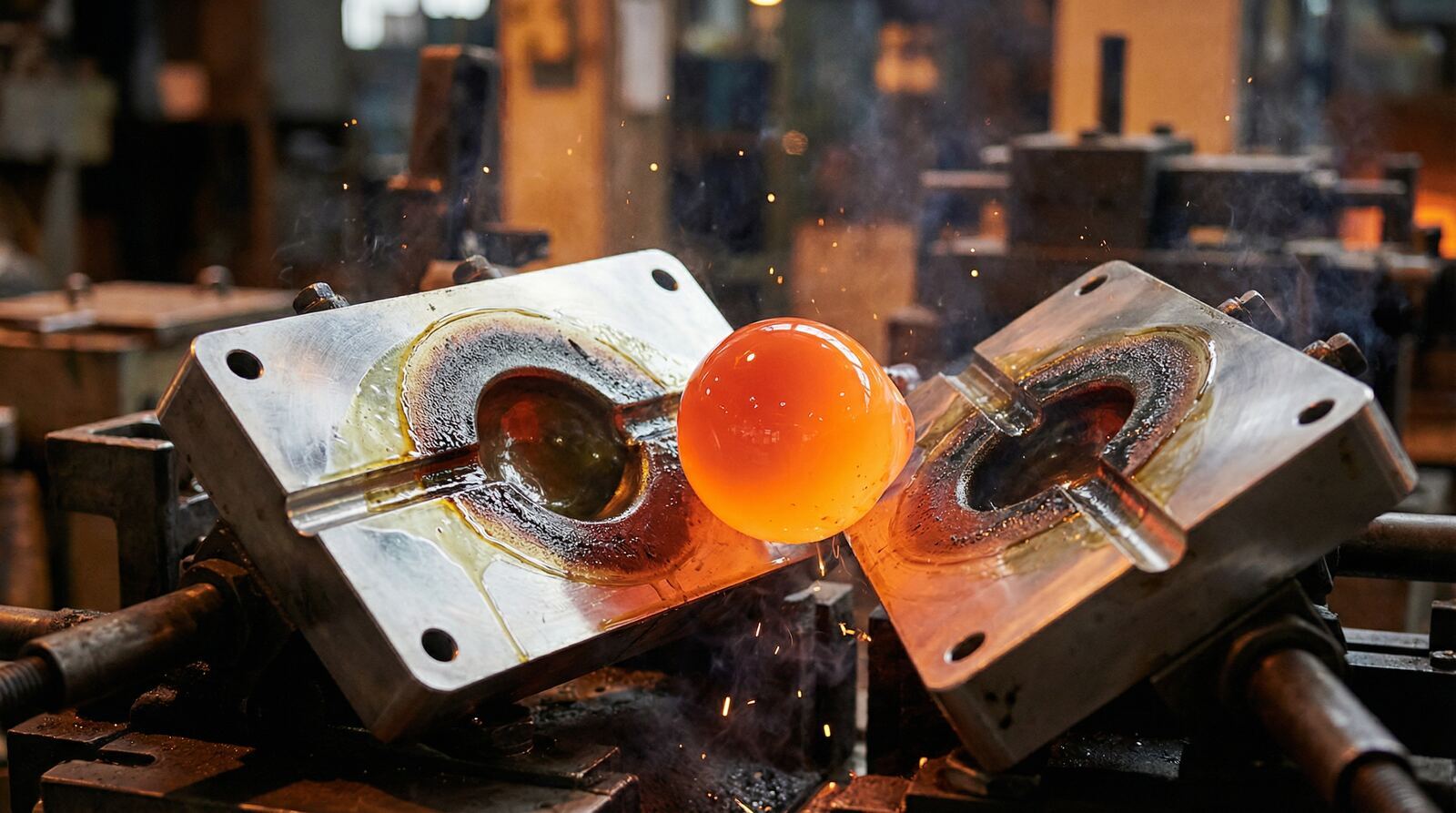
Comprehensive guide to glass mold lubricants.
Why is Mold Lubricant Critical in Glass Manufacturing?
In the glass forming process, molten mass at temperatures above 1000 degrees Celsius enters metal molds. Direct contact between molten glass and the mold surface without proper lubrication leads to glass sticking, surface defects, and severely reduced mold life. Glass mold lubricant performs three primary functions by forming a thin, heat-resistant film on the mold surface: reducing glass adhesion to the mold, supporting uniform heat transfer between glass and mold, and protecting the mold surface against corrosion and wear. Kimia Ceram Zarin produces mold lubricants based on mineral and semi-synthetic formulations, each optimized for specific operating conditions.
Types of Mold Lubricants and Their Applications
Glass mold lubricants are divided into several main categories. Mineral-based oils are suitable for standard bottle production and glassware, offering a favorable cost-to-performance ratio. Semi-synthetic oils are recommended for high-speed production lines and products requiring higher surface quality. Specialty oils are formulated for colored glass, borosilicate glass, and special glass types. Factors influencing oil selection include glass type, operating temperature, production speed, mold type, and final product quality requirements. Using an inappropriate oil can cause staining, surface bubbles, and reduced glass clarity.
Frequently Asked Questions
Does mold lubricant affect glass transparency?
High-quality mold lubricant should have no effect on glass transparency. Kimia Ceram Zarin's oils are formulated to completely evaporate at operating temperatures, leaving no residue on the glass.