Flotation Depressant (Kimidepress) — Mineral Processing Guide
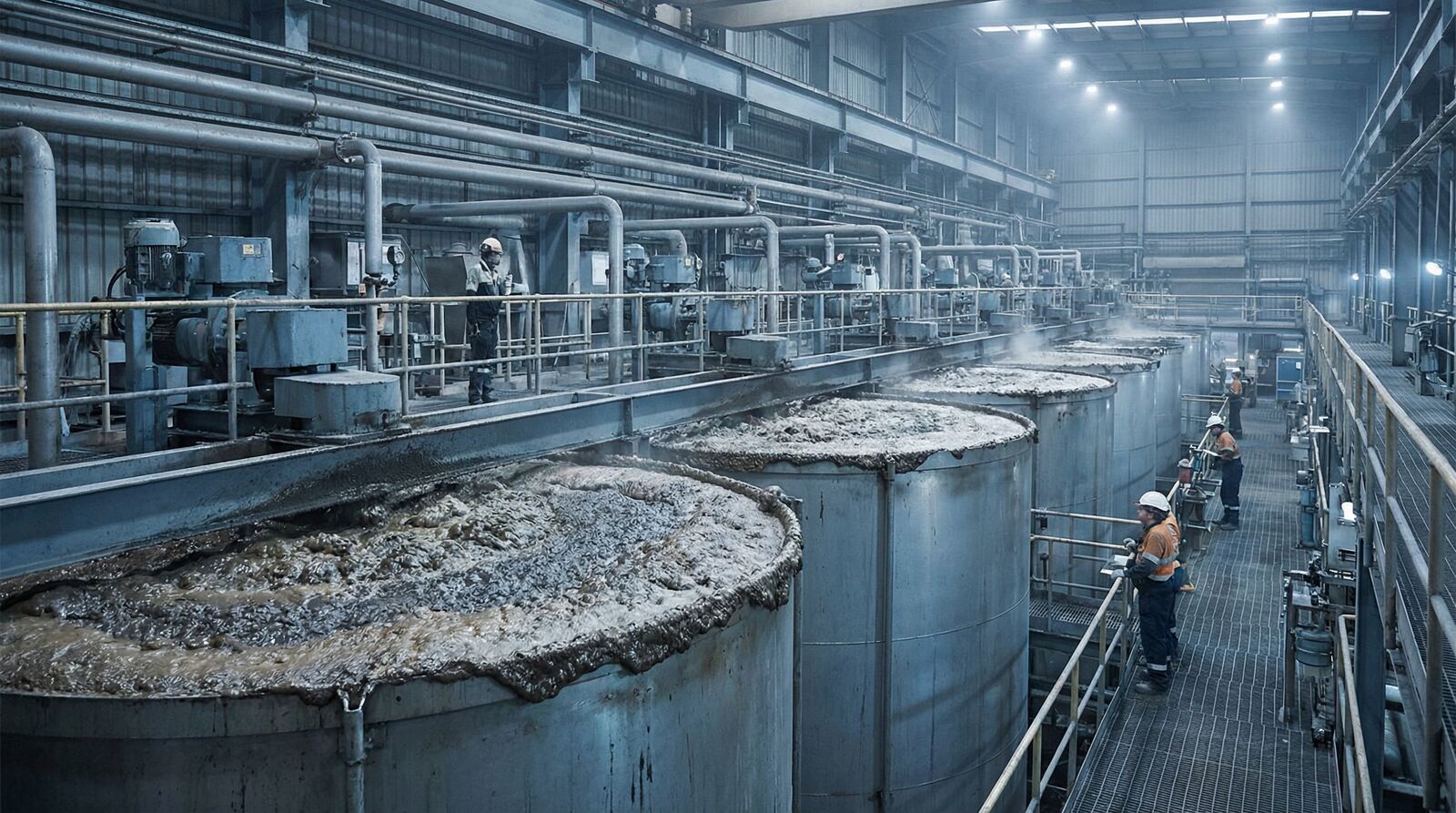
Comprehensive guide to flotation depressants for mineral processing.
Flotation and the Role of Depressants
Flotation is one of the most widely used mineral processing methods, operating based on differences in mineral surface properties. In this process, air bubbles attach to hydrophobic mineral particles and carry them to the surface of the flotation cell. Depressants are substances that make the surfaces of unwanted minerals hydrophilic, reducing their attachment to air bubbles. This action increases process selectivity and enables more precise separation of valuable minerals from gangue. Kimidepress is a range of polymeric depressants developed by Kimia Ceram Zarin for the mining industry, with applications in copper, lead, zinc, and phosphate mines.
Mechanism of Action and Benefits of Kimidepress
These products adsorb onto the surface of gangue minerals, forming a hydrophilic layer that helps prevent air bubble attachment. Key benefits include improved final concentrate grade, reduced collector consumption, environmental compatibility, and stable performance across a wide pH range. Compared to traditional depressants like sodium cyanide, Kimidepress is safer and does not require special safety equipment. These products are applicable in both sulfide and oxide mineral processing.
Frequently Asked Questions
Can Kimidepress replace cyanide in flotation?
Yes, in many applications Kimidepress can be a suitable replacement for sodium cyanide. However, laboratory flotation tests are recommended to confirm performance in each specific case.