Welding Electrode Binder (Kimifix) — Electrode Coating Binder
Comprehensive guide to metallurgy binders for welding electrode coating.
The Importance of Binder in Welding Electrode Production
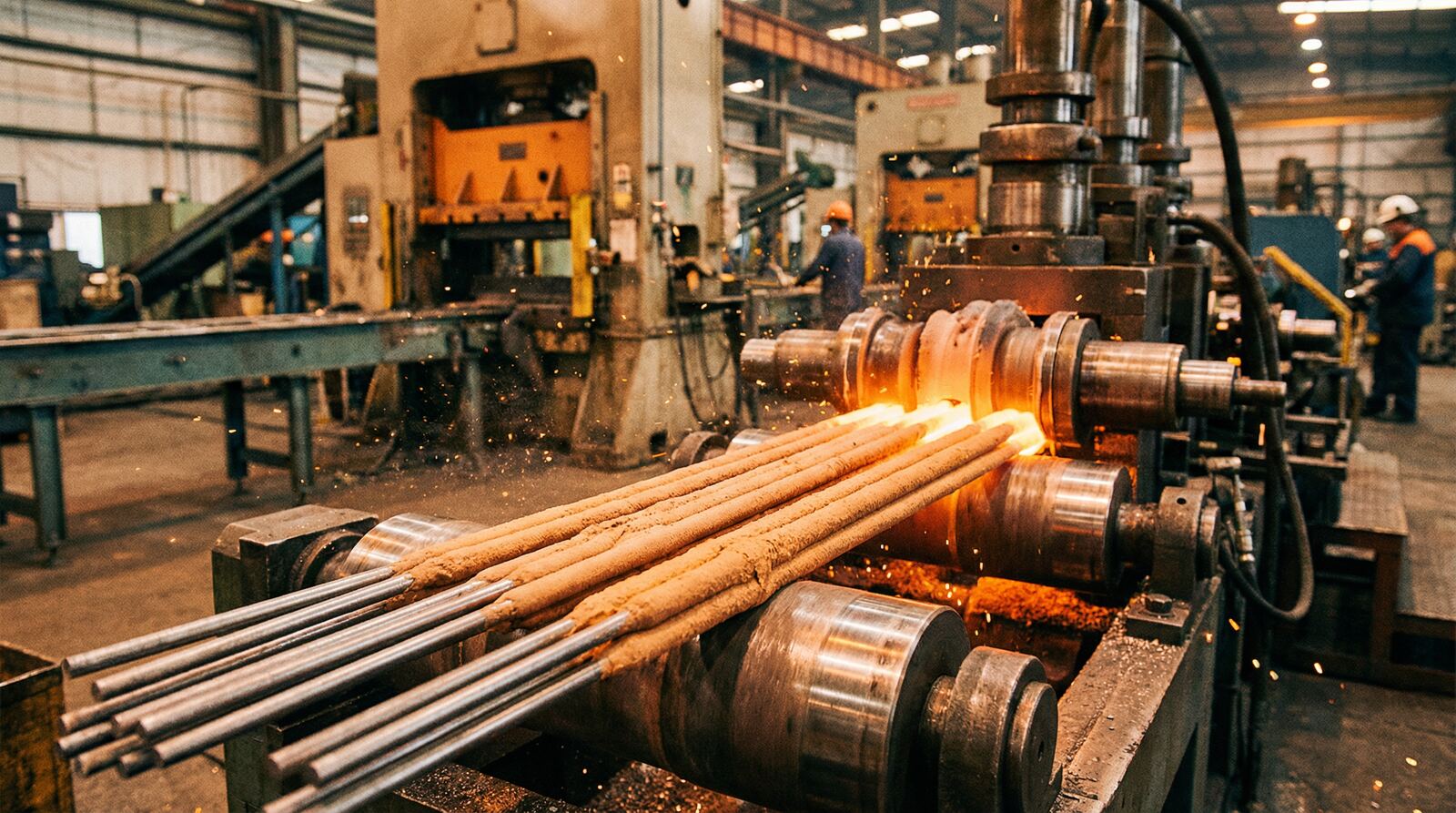
Manual welding electrodes (SMAW) consist of a central metal wire and a mineral-chemical coating. The electrode coating performs multiple critical functions: protecting the weld pool from oxidation, stabilizing the electric arc, providing alloying elements, and creating protective slag. A binder is the substance that holds the powdered coating components together and to the wire. Without a proper binder, the electrode coating cracks or falls off during handling, storage, and use. Kimifix is Kimia Ceram Zarin's specialized binder, with grades specifically designed for the metallurgy industry, improving adhesion, extrusion properties, and final electrode quality.
Technical Properties and Benefits of Kimifix
Kimifix binders are available in several grades with different viscosities. High-viscosity grades are suitable for electrodes with thick coatings (such as E7018) and provide stronger adhesion. Medium-viscosity grades are optimized for general-purpose electrodes (such as E6013) and provide a good balance between adhesion and paste fluidity. Key benefits include improved coating paste extrudability, increased green and dry coating strength, reduced coating cracking in the dryer, and improved arc stability and weld quality. Kimifix also has good compatibility with other coating components such as rutile, cellulose, and calcium fluoride.
Frequently Asked Questions
How much Kimifix is used in electrode coating formulation?
Dosage is typically taken as a starting point of 0.5 to 2 percent of dry coating weight, optimized with the Kimia Ceram Zarin technical team depending on electrode type, coating thickness, and other formulation components.