Cement Grinding Aid — Boosting Mill Efficiency
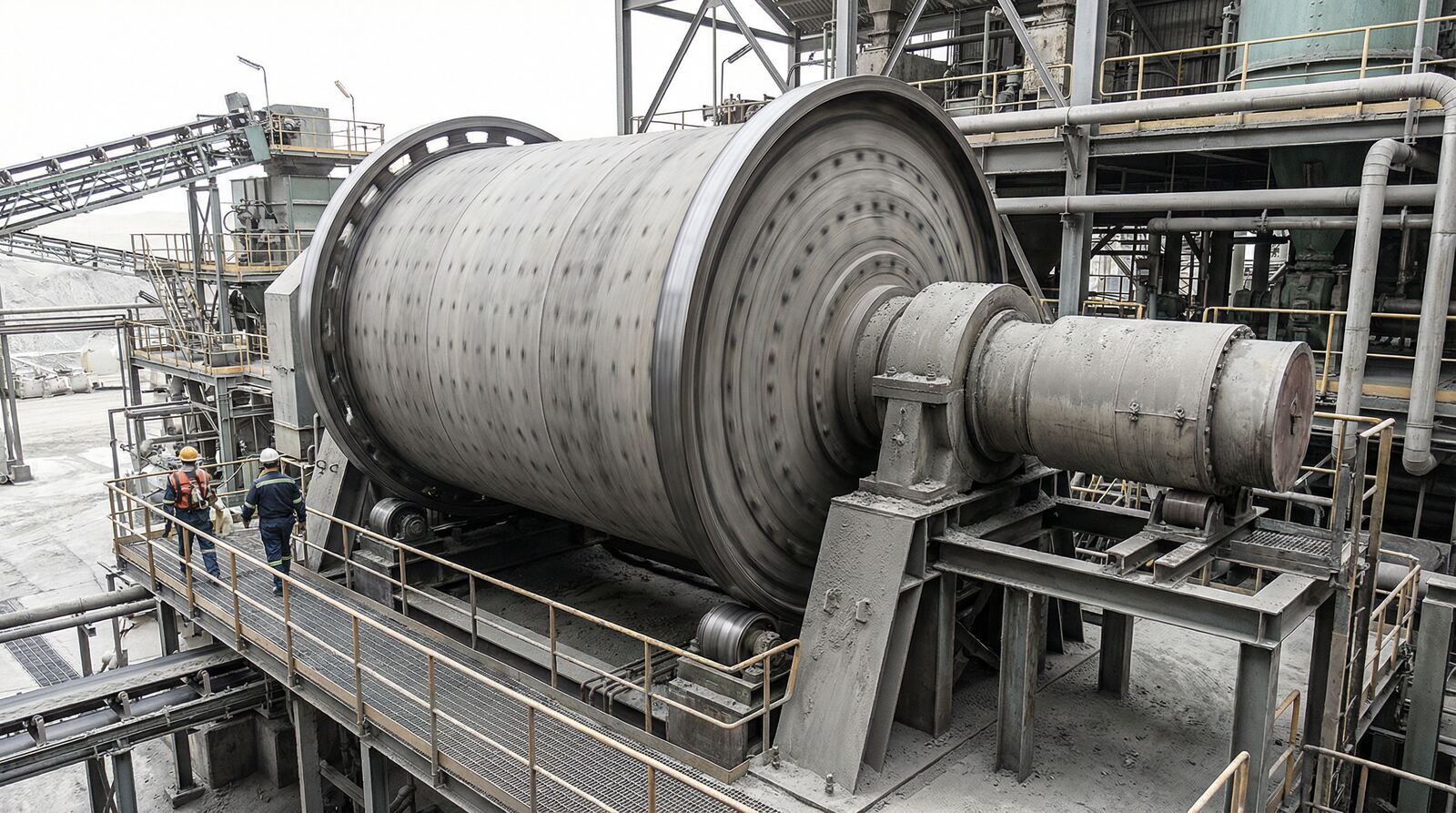
Comprehensive guide to cement grinding aids.
Why Does a Cement Mill Need Grinding Aid?
The cement mill is one of the most energy-intensive pieces of equipment in the cement industry. Approximately 40 percent of a cement plant's total energy consumption is spent on the grinding process. During grinding, fine cement particles tend to stick to each other (agglomeration) and to the surface of grinding balls and mill walls. This phenomenon, known as "cushioning" or "ball coating," severely reduces mill efficiency. Cement grinding aids are surface-active molecules that adsorb onto the surface of freshly fractured particles and help prevent their re-agglomeration. Kimigrind is a family of grinding aids from Kimia Ceram Zarin formulated based on amine and glycol compounds. In trials on cement mills, mill output increased by up to 20 percent.
Economic and Technical Benefits
Using Kimigrind provides multiple benefits for cement plants. Economically, increased mill output means reduced energy cost per ton of cement. With a typical dosage of 200 to 500 grams per ton of clinker, return on investment is very rapid. Technically, Kimigrind improves cement particle size distribution, increases Blaine specific surface area, and enhances cement properties such as early and ultimate strength. It also enables increasing the proportion of supplementary materials such as limestone and pozzolan in blended cements without quality reduction. Kimigrind is available in different grades for ball mills, vertical roller mills, and white cement mills.
Frequently Asked Questions
Does grinding aid negatively affect cement quality?
No. Kimigrind grinding aids not only have no negative effect but also improve cement quality through better particle size distribution. 28-day compressive strength typically improves.