Refractory Additives — Comprehensive Guide to Binders and Dispersants
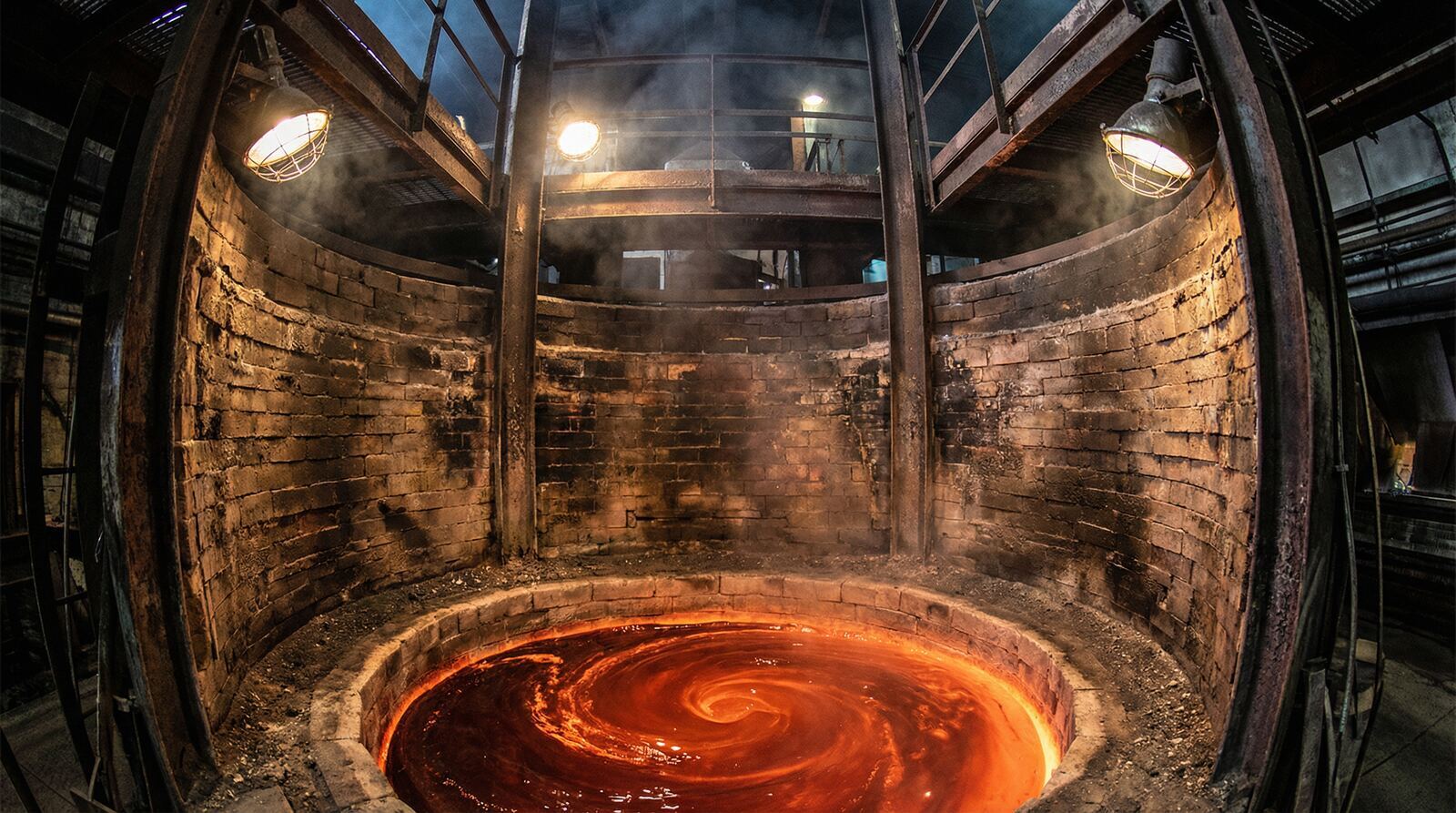
Comprehensive refractory additives guide.
Refractory Additives: A Vital Role in Industry
Refractory additives are specialized chemicals used to improve the mechanical, rheological, and thermal properties of refractory materials. The refractory industry, which includes production of bricks, castables, mortars, and high-temperature resistant coatings, heavily depends on chemical additives. Kimia Ceram Zarin offers three main categories of refractory additives: binders (for strength), dispersants (for flowability), and setting regulators (for controlling hardening time).
Types of Additives and Applications
Refractory binders increase the green and fired strength of refractory materials and are used in pressed brick and castable production. Dispersants reduce mix viscosity and improve refractory castable flowability. Setting regulators include accelerators and retarders that control refractory castable hardening time. These additives are compatible with alumina and silica systems and are used in steel, cement, and glass industries.
Types of Additives in Refractory Castables and the Role of Each
In a refractory castable, each additive controls one specific variable. A binder supplies green and fired strength, forming the bond between refractory particles. A plasticizer (dispersant) keeps fine particles apart so the same flow is reached with less mixing water — this matters most in low-cement and self-flowing castables. An accelerator speeds up the calcium aluminate cement's hydration reaction to shorten demolding time; a retarder does the opposite, extending working time for large-volume pours or hot-weather work. Choosing correctly among these four families depends on the castable type, the placement method, and the site conditions.
Low-Cement and Ultra-Low-Cement Castables
Traditional castables carry a substantial amount of calcium aluminate cement for strength. Low-cement (LCC) and ultra-low-cement (ULCC) castables reduce that amount considerably, replacing part of the cement's role with very fine particles such as microsilica. Lowering the cement content typically reduces final porosity and improves thermal and thermal-shock resistance — but only if the mixing water is reduced by a comparable amount, otherwise cutting cement alone works against the result. That interdependence is what makes the plasticizer a key component of LCC and ULCC castables, not an optional extra.
Shotcrete and the Rebound Problem
Some refractory castables are not poured but sprayed onto a furnace or vessel surface under air pressure — a placement method called shotcreting. In this method, part of the mix bounces off the surface instead of adhering to it and is lost; this is called rebound. Setting-time control has a direct effect on the amount of rebound: a mix that sets too slowly sags and falls away, while one that sets too fast blocks the pump line or nozzle. For that reason, accelerator selection and dosing must be more precise in sprayed applications than in ordinary cast placement.
Choosing an Additive: What Information Is Needed
To recommend the most accurate additive, the technical team needs the following information about your plant or castable formulation: the type and level of calcium aluminate cement used, the microsilica share in the mix, the refractory aggregate grading, the current mixing water level, and the target flow. Sending these details along with a consultation or sample request shortens the path to the right dose and combination.
Frequently Asked Questions
What additives are suitable for refractory castables?
A combination of binder (for strength), dispersant (for flowability), and setting regulator (for hardening time control) is typically needed. The exact selection depends on the refractory system type.