Rheology Modifiers (RA) — Flow and Viscosity Control
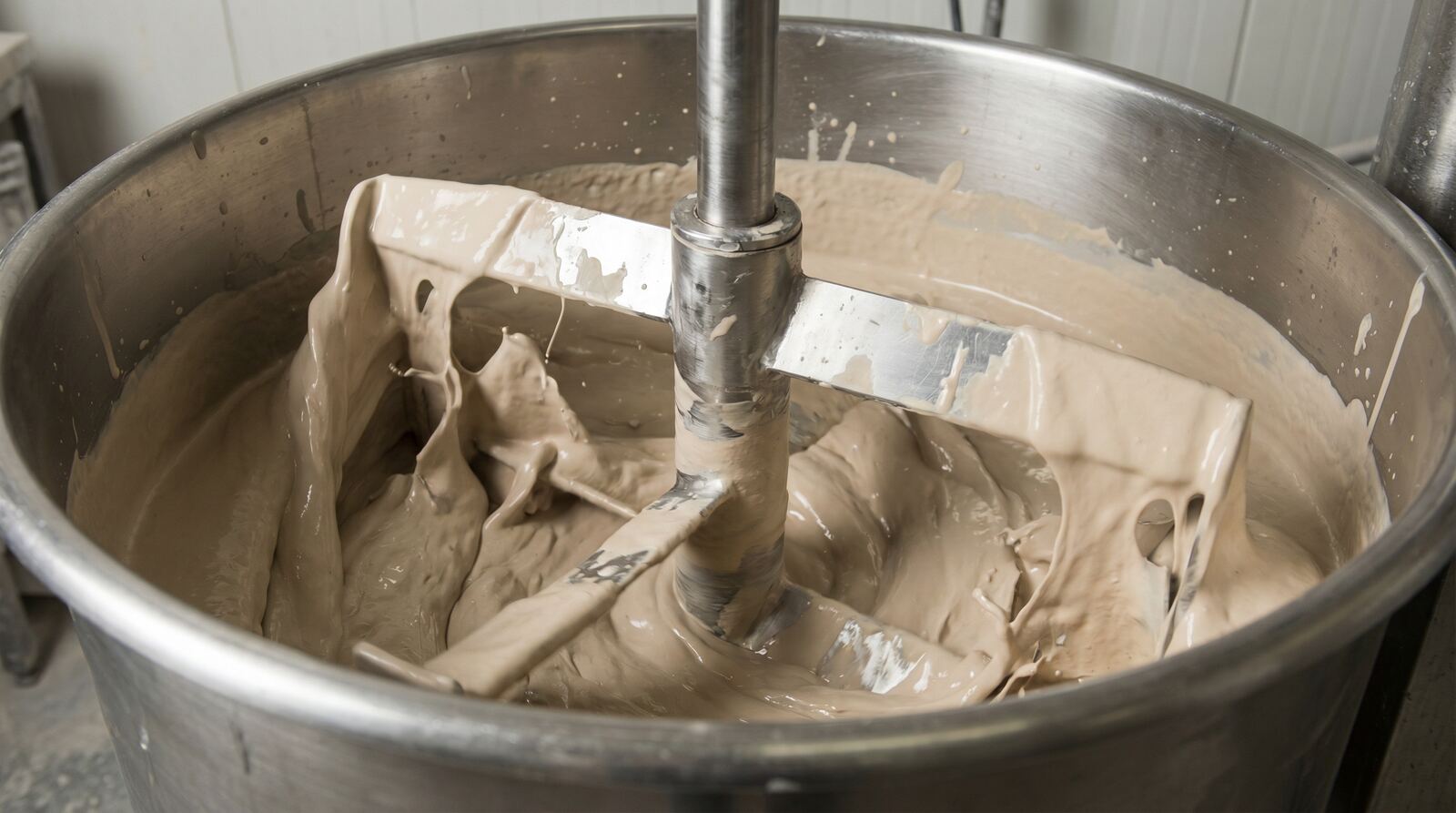
Comprehensive guide to rheology modifiers for viscosity and flow control across various industries.
What is Rheology and Why Does It Matter?
Rheology is the science of studying the flow and deformation of materials. In various industries, precise control of product flow behavior is critically important. A ceramic glaze must be fluid enough to apply uniformly on the body but thick enough not to drip off the surface. An architectural paint must flow smoothly during brushing but must not sag after application. These complex behaviors are controlled by rheology modifiers. Kimia Ceram Zarin's RA series includes products that adjust rheological properties such as viscosity, thixotropy (viscosity recovery after shear), yield point, and shear behavior.
Types of Modifiers and Applications
Kimia Ceram Zarin's rheology modifiers are offered in several families. One family performs across a wide pH range with high compatibility across different systems. One family offers high clarity for systems that are pH-sensitive. One family provides strong thixotropic properties. And one family offers uniform viscosity and splash resistance. The choice of family and dosage is determined based on the customer's system and in the Kimia Ceram Zarin laboratory. Main applications include ceramic glaze and engobe, architectural paint and coatings, industrial adhesives, personal care and cosmetic products, and drilling fluids.
Frequently Asked Questions
What is the difference between a thickener and a rheology modifier?
A thickener primarily increases viscosity, while a rheology modifier controls not only viscosity but also other flow properties such as thixotropy, yield point, and shear behavior.