Flocculant
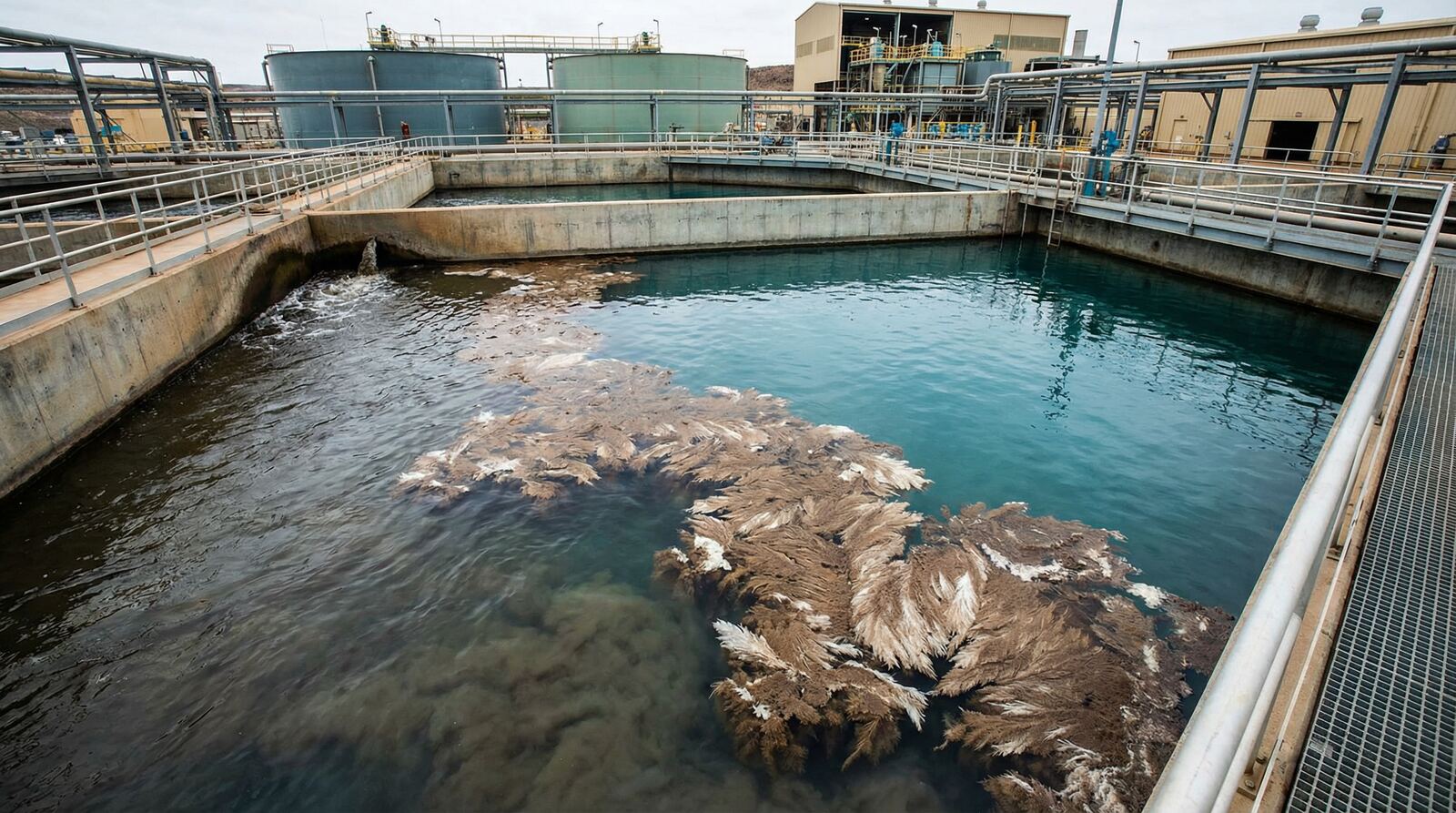
Kimia Ceram Zarin's Flocculants are engineered for industrial water and wastewater treatment as well as mining processes. These products accelerate the separation and sedimentation process by creating large flocs from suspended particles. They are available in several families matched to the effluent and particle type, and the right option is confirmed by a jar test on a sample.
Technical Benefits
Reduced sludge volume
Process water recycling capability
Reduced wastewater pollution load
Improved treatment system performance
Applications
Industrial water treatment
Ceramic wastewater treatment
Separation processes
Raw material recovery
Mining wastewater treatment
Iron ore flotation
Drilling fluids
Frequently Asked Questions
What is a flocculant, and how does it differ from a coagulant?
A flocculant brings the fine suspended particles in water together into larger flocs that settle faster or filter out more easily. A coagulant does a different job first: it neutralises the electrical charge on the particles so they stop repelling one another. In many treatment trains a coagulant is added first and a flocculant second — the coagulant prepares the particles and the flocculant gathers them into flocs.
What types of flocculant are there, and which suits my effluent?
The right flocculant is decided by the type of suspended particles, the pH and the solids load of your effluent — not by a fixed rule. An effluent with coarse, settleable particles needs a different option from one with very fine, stable particles. The surest way to choose is a jar test on your own effluent, which shows which option gives a suitable floc and the clearest water.
What are the downsides of using a flocculant?
Like any process chemical, a flocculant has limits and must be used correctly. Overdosing is not only wasted product — it can have the opposite effect and re-stabilise the suspension instead of settling it. Residual polymer in the discharge water is a regulated concern, so the dose must be controlled. Handling and storage call for the ordinary precautions set out in the safety data sheet (SDS). To keep these in check, Kimia Ceram Zarin uses a jar test to establish the minimum effective dose, and a safety data sheet travels with every shipment.
How do I determine the dosage?
The right dose comes from a jar test, not from a fixed number. In the test, several samples of the effluent are stirred with increasing amounts of flocculant, and the settling speed, floc size and clarity of the water above are compared; the smallest amount that gives a good result is your working dose. Kimia Ceram Zarin runs this test on your own effluent free of charge.
Which type of flocculant is suitable for ceramic wastewater treatment?
The right flocculant for ceramic wastewater depends on the type of suspended particles, the pH and the solids load, and the suitable choice is confirmed by a jar test on the plant's own sample. Ceramic wastewater typically carries fine clay and glaze particles that a suitable flocculant flocculates and settles quickly, so the process water can be recovered.